
Perfect Paper Pets
This sleepy bear looks so real that if you poked him, he might startle awake. But he’s a sculpture made by artist Calvin Nicholls. Read

This sleepy bear looks so real that if you poked him, he might startle awake. But he’s a sculpture made by artist Calvin Nicholls. Read

It’s easier to do one thing at a time than two things. Sometimes grown-ups try to do lots of things at once, and end up

Dogs are pretty smart and can learn tricks quickly. This giant furry friend picked up on a very useful trick. Read on to see his

It’s fun to drive fast on a highway, but that’s nothing like driving a racecar. Read on to speed away with the math in racecars

Longtime Bedtime Math fan Benjamin H. asked us, how many Lego pieces are made every day? Read on to do the math and find out
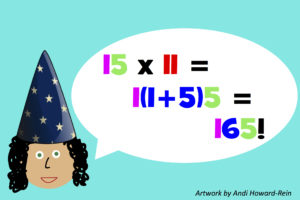
Want to learn how to do some pretty cool math tricks in your head and wow your friends and family? Read on to find out

Jump right into this bouncy story about a world record hopscotch course, and do some thinking on your feet!
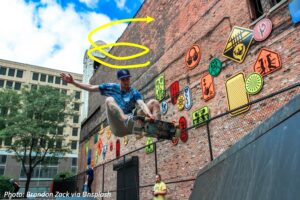
Can you spin around 3 times? Great. Now, can you spin 3 times on a skateboard in midair? It’s just a board with 4 little
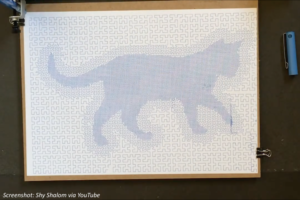
It’s amazing what you can draw with just one line! Learn how Hilbert curves work with the help of a kitty in this story!